Hongye Precision Home

Category

Procurement Guide

26 articles

The Cross-Reference That Crossed Nothing: Why 'Equivalent' Alloy Approvals Fail at the Spindle

The Cross-Reference That Crossed Nothing: Why 'Equivalent' Alloy Approvals Fail at the Spindle

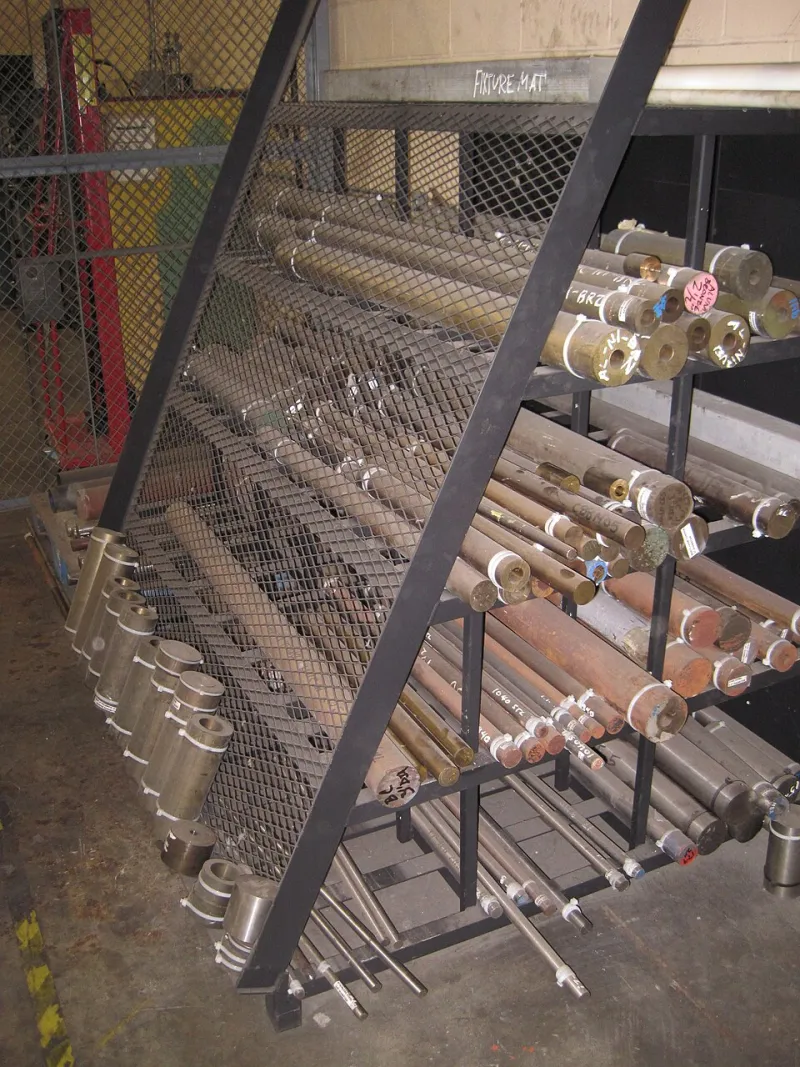
A mill certificate that cross-references a nearby grade is not the same as a part that meets the drawing. Substitutions enter machining programs through small, reasonable-looking decisions, and they pass document review while failing on chemistry, temper, or machinability. This guide covers what UNS and ASTM cross-references omit and how to establish a substitution approval path before the first chip is cut.
Paper Partners: When Your Qualified Second Source Exists Only on a Spreadsheet

Paper Partners: When Your Qualified Second Source Exists Only on a Spreadsheet

Dual-sourcing a critical machined component is standard risk management — until the day the primary slips and the backup turns out to be a name in your ERP, not a functioning supply line. This article examines why second sources decay quietly, and what it takes to keep one genuinely production-ready.

The Clock Behind the Quote: When Your Parts Run Determines What You Pay

The Clock Behind the Quote: When Your Parts Run Determines What You Pay

Two buyers can send identical RFQs to the same shop and receive prices that differ by twenty percent — and the difference often comes down to nothing more than when the work is scheduled to run. This piece examines how machine loading, shift structure, and capacity gaps quietly shape the number on your quote, and how to ask the scheduling questions most procurement teams never think to.

The Relic in the Inspection Room: Recertifying Your Golden Sample Before It Lies to You

The Relic in the Inspection Room: Recertifying Your Golden Sample Before It Lies to You

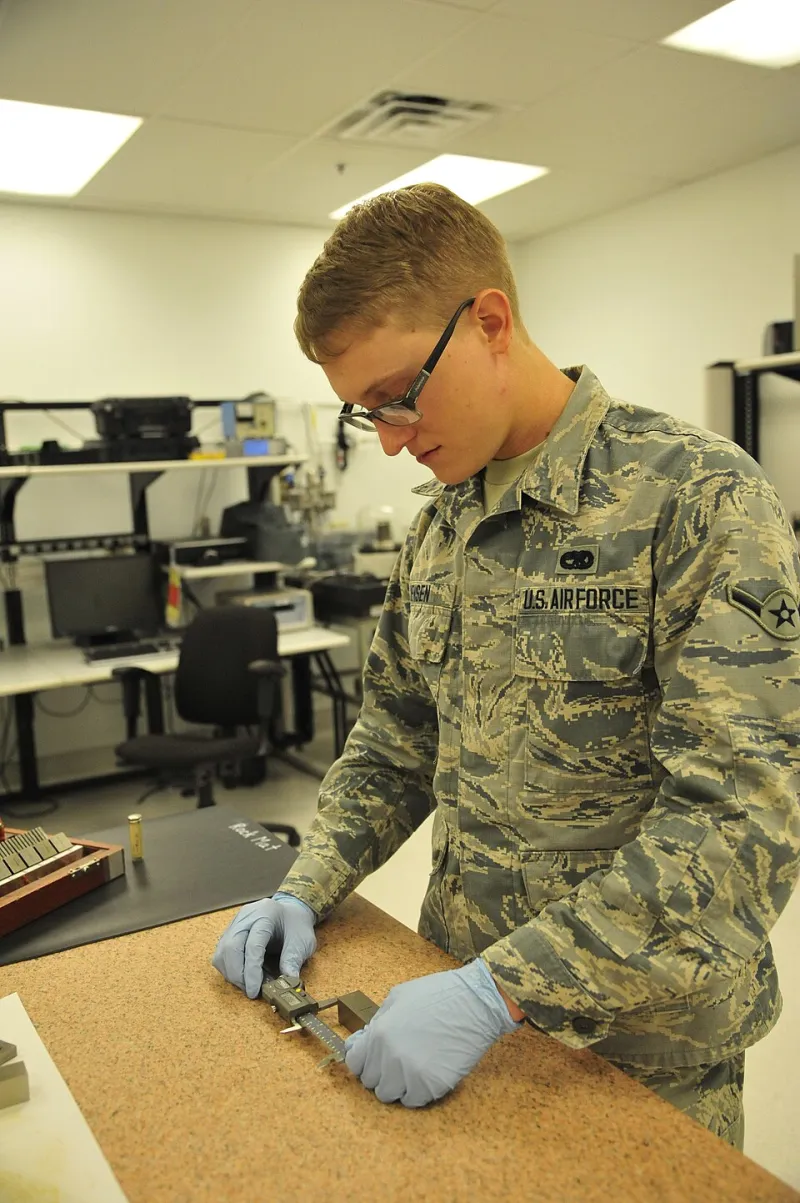
Every qualified part begins with a blessed first article, yet few buyers ever ask what happened to it. Over years of production, the golden sample drifts from the drawing it once validated — and procurement keeps paying for parts that match a memory instead of a specification. This guide offers a re-baselining protocol and custody documentation standard that survives vendor changes.

Sixteen Microinches of Trouble: The Drawing Note That Quietly Doubles Your Part Cost

Sixteen Microinches of Trouble: The Drawing Note That Quietly Doubles Your Part Cost

Surface roughness callouts are the most frequently unjustified specifications on American machining drawings — and the most expensive to get wrong. This guide walks procurement teams through what Ra values actually demand from a shop, which finishes come free with the process, and how to push back on polish specs before they inflate every quote you receive.

The Margin Comes Back Somewhere: Anatomy of a Below-Cost Machining Bid

The Margin Comes Back Somewhere: Anatomy of a Below-Cost Machining Bid

A bid that lands 20% under every other quote isn't a bargain — it's a loan, and your program is the collateral. This piece dissects how loss-leader pricing works in precision machining, how to spot it before award, and how to write contracts that keep year-three pricing honest.

Clamped and Committed: What a Vendor's Fixturing Strategy Reveals Before You Sign

Clamped and Committed: What a Vendor's Fixturing Strategy Reveals Before You Sign

Most procurement teams interrogate machine lists and tolerance capabilities, yet the fixture — not the spindle — is what quietly determines whether part #1 and part #10,000 are the same part. This guide shows you which workholding questions to ask, and what the answers tell you about a shop's consistency.

The Dormant Vendor: Why Your Qualified Backup May Already Be Useless

The Dormant Vendor: Why Your Qualified Backup May Already Be Useless

Qualifying a second machining source and then letting the relationship sit idle is one of the most common — and most expensive — illusions in industrial procurement. This piece walks through what it actually costs to keep a backup vendor production-ready, and what a single line-down event really runs when that vendor isn't.

Where Did My Part Go Last Night? Mapping the Invisible Supply Chain Behind Your RFQ

Where Did My Part Go Last Night? Mapping the Invisible Supply Chain Behind Your RFQ

Heat treat, plating, grinding, wire EDM — a surprising share of your precision work may be performed in shops you've never heard of, much less audited. Here's how procurement teams can map the subcontractor shadow, evaluate each hidden vendor, and write contract language that keeps outsourced work from vanishing into an unaudited facility.

Reshoring Without Regret: A Five-Point Readiness Test Before You Bring Work Home

Reshoring Without Regret: A Five-Point Readiness Test Before You Bring Work Home

Tariffs and supply-chain risk are driving real manufacturing work back to the United States — but moving a purchase order across the ocean does not move the capability with it. This readiness assessment covers the five supplier gaps that sink reshoring programs, from tooling lead times to capacity visibility.